
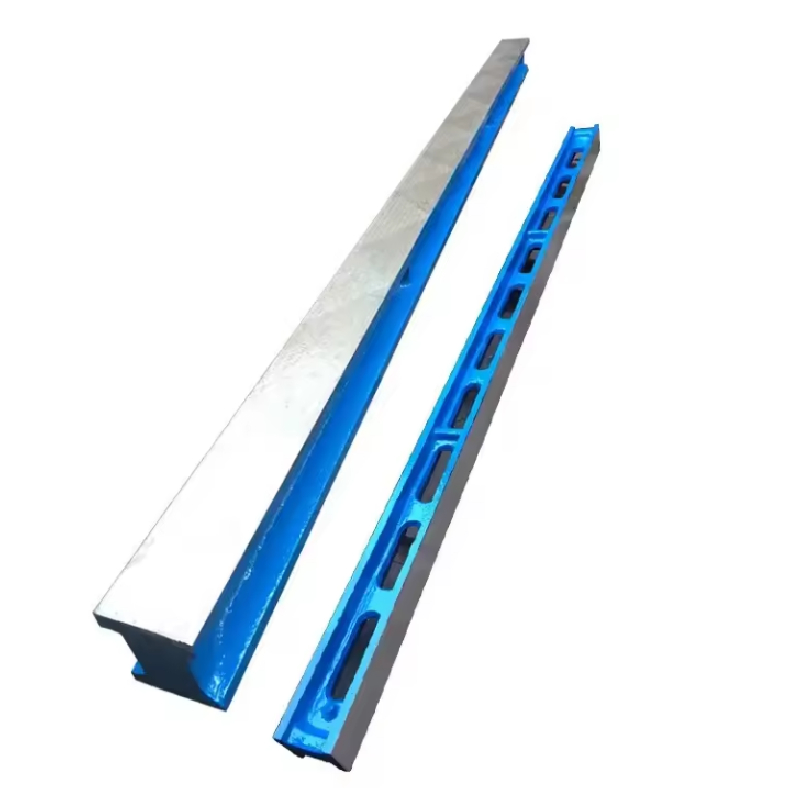
glass mirror with glass frame
The Use of Spirit Level in Construction and DIY Projects A spirit level, also known as a bubble level, is an essential tool for ensuring the accuracy and precision of various construction and DIY projects. This simple yet effective instrument is utilized to ascertain whether a surface is horizontal (level) or vertical (plumb). Its usage is integral in various fields such as carpentry, masonry, plumbing, and many other trade professions where alignment is crucial. The Use of Spirit Level in Construction and DIY Projects One of the primary applications of a spirit level is in the construction of buildings. Ensuring that walls are plumb and surfaces are level is vital for structural integrity and aesthetic appeal. For instance, when erecting a wooden frame for a house, carpenters use spirit levels to guarantee that each part of the frame is correctly aligned. A slight deviation could lead to issues later on, such as uneven floors or misaligned doors and windows. the use of spirit level In addition to professional construction, spirit levels are invaluable for DIY enthusiasts. Whether hanging pictures, installing shelves, or laying tiles, a spirit level helps ensure that every project is done right. A small error in these tasks can lead to significant visual and functional problems. For example, hanging a shelf that isn’t level can result in items sliding off or looking unappealing. Moreover, modern technology has introduced electronic spirit levels that offer digital readouts, making it even easier for users to determine level and plumb. These advanced tools can provide more precise measurements and are often equipped with features like angle measurement, which can be particularly useful in complicated projects. In conclusion, the spirit level is a fundamental tool that plays a critical role in construction and DIY projects. Its ability to provide quick and accurate readings on a surface's levelness or verticality ensures that both professionals and homeowners can achieve high-quality results. By using a spirit level, anyone can benefit from enhanced precision, leading to more successful and appealing projects. Whether you are building a new home or hanging your favorite artwork, ensuring everything is level is key to achieving a polished and professional finish.
about
glass mirror with glass frame
The Essentials of Metal Table Fabrication Metal table fabrication is a specialized process that involves the creation of custom metal tables for various applications, ranging from industrial settings to residential furniture. As a crucial aspect of metalworking, this field combines art with engineering, producing durable and aesthetically pleasing products. This article delves into the key components of metal table fabrication, including materials, techniques, design considerations, and the benefits of custom metal tables. Materials Used in Metal Table Fabrication The selection of materials is fundamental in the fabrication of metal tables. Common choices include steel, aluminum, stainless steel, and a range of alloys. Steel is favored for its strength and durability, making it ideal for industrial applications where heavy loads are commonplace. Aluminum, on the other hand, is lightweight and resistant to corrosion, making it suitable for outdoor furniture and applications where portability is essential. Stainless steel is often employed for its aesthetic appeal and resistance to rust, making it a popular choice in restaurants and modern home designs. Techniques in Metal Table Fabrication The fabrication process begins with precise measurements and design plans. Advanced software enables fabricators to create detailed blueprints, ensuring accuracy in the final product. Following the design phase, various fabrication techniques are employed. 1. Cutting Metal is cut to size using techniques such as laser cutting, plasma cutting, or traditional methods like sawing. Laser cutting is particularly popular due to its precision and ability to create intricate designs. 2. Forming This involves bending or shaping the metal into the desired form. Techniques like welding and metal stamping may be used to create legs, frames, or decorative elements. 3. Joining Welding is a common method for joining pieces of metal together, providing strength and stability. Other methods, such as riveting or using bolts, may also be employed depending on the design requirements. metal table fabrication 4. Finishing The final touches involve applying protective coatings or paints to enhance durability and aesthetics. Options like powder coating or anodizing can improve resistance to corrosion and scratches, ensuring that the tables maintain their appearance over time. Design Considerations When designing metal tables, several factors must be taken into account. The intended use of the table greatly influences its design. For instance, a table intended for heavy machinery may require thicker steel and reinforced joints, while a dining table might prioritize aesthetics and comfort. Additionally, the table's ergonomics, size, and shape must be carefully considered. Customization allows for a wide range of styles, from minimalist industrial designs to ornate, artistic pieces that serve as focal points in a room. Collaboration between designers and fabricators is crucial to achieve a functional yet stylish table that meets the specific needs of the client. Benefits of Custom Metal Tables Custom metal tables offer numerous advantages over mass-produced alternatives. Firstly, they provide a perfect fit for specific spaces, allowing for more efficient use of areas that may not accommodate standard sizes. Secondly, custom tables can be tailored to match existing decor and design schemes, enhancing the overall aesthetic of any space. Moreover, metal tables are exceptionally durable, often outlasting wooden or plastic options, making them a cost-effective investment in the long run. Their resistance to wear and tear is particularly advantageous in commercial settings, where longevity and reliability are paramount. Conclusion Metal table fabrication is a blend of creativity and technical expertise, culminating in products that satisfy both practical and aesthetic needs. With a focus on quality materials, precision techniques, and thoughtful design, custom metal tables can transform spaces while offering unmatched functionality. As businesses and homeowners continue to seek unique solutions for their environments, the demand for skilled metal table fabricators is likely to grow, ensuring that this craft remains relevant and thriving.
-

High quality industrial productsagement

High quality industrial products
View Details -

Meet the diverse needs of customers

Meet the diverse needs of customers
View Details -

Strict quality control

Strict quality control
View Details -

Top raw materials

Top raw materials
View Details -

Trusted supplier

Trusted supplier
View Details
Our application


news and information

Vanne à guillotine de 8 pouces pour applications industrielles et de plomberie
Vannes à Panneau Couteau de 8 Pouces Un Équipement Essentiel pour l'Industrie Les vannes à panneau
Why Granite Surface Plates Outperform Other Materials
Precision is the foundation of any successful industrial or fabrication process. Whether it's for me
Viertelzoll-Klappenventil mit 4 Zoll Durchmesser für industrielle Anwendungen
4 Zoll Messerabsperrventil Eine wichtige Komponente in der Industrie Das 4 Zoll Messerabsperrventil
 English